Automatic Door Installation
Sometimes servicing is no longer the answer: the operator is obsolete, the entrance needs to be accessible, or a busy manual door is wearing out. Here is what a new automatic door involves.
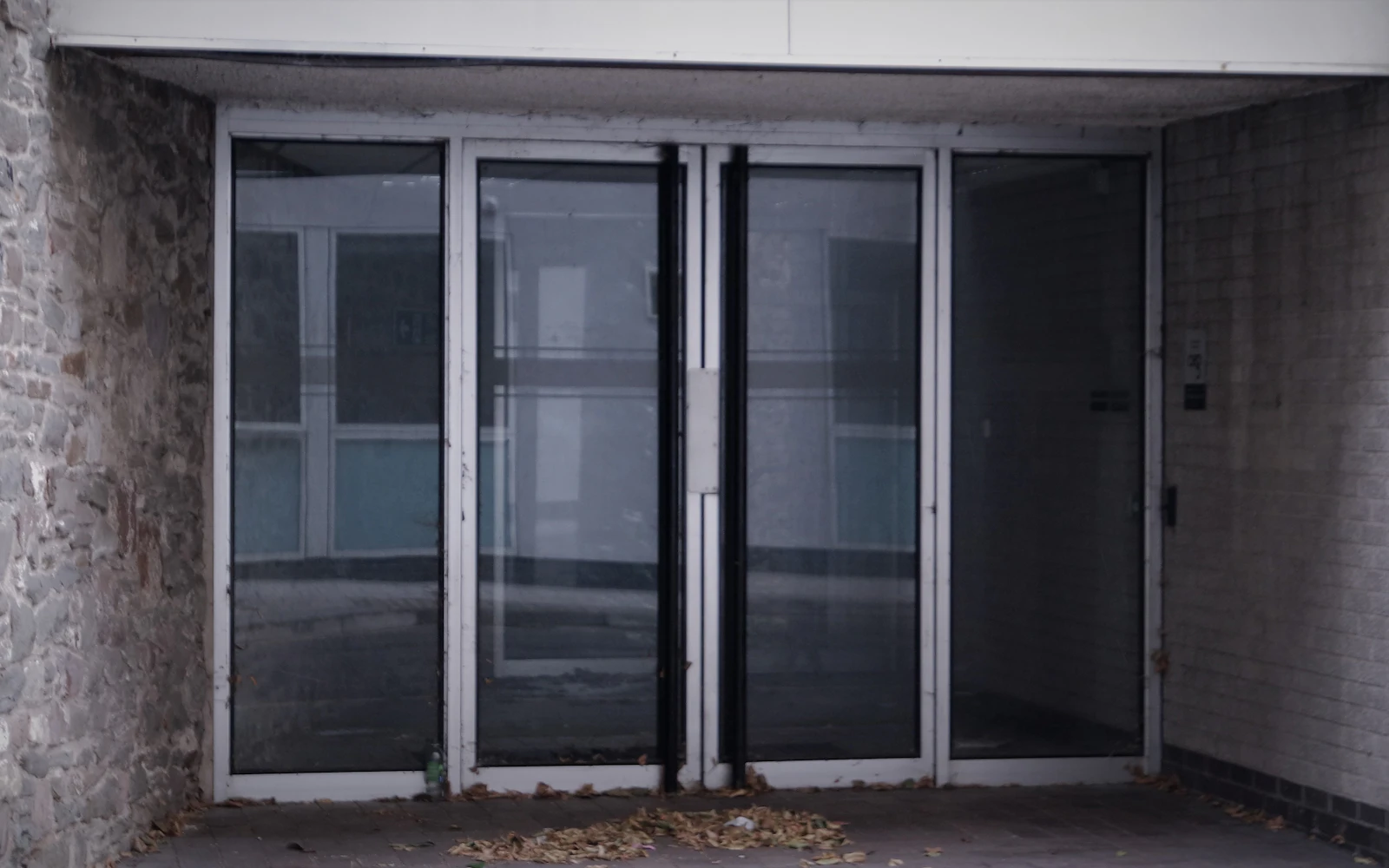
Common jobs
- New sliding entranceSingle or bi-parting sliders for shops, surgeries and lobbies.
- Automating a swing doorAn operator fitted to an existing or new swing door for accessible entry.
- Replacing an old operatorA new motor and controls on the existing door and frame where they are sound.
- Revolving and folding doorsSpecialist entrances for hotels, offices and tight spaces.
What new doors cost
Our estimate from published UK prices: a single swing door from £6,500, a double swing door from about £9,500, a single slider from £7,500 and a double slider from £9,000, fitted. Replacing just the operator on a sound door costs less. Groundworks, glazing and access control add to the price.
Paperwork to ask the installer for
A powered door counts as machinery. The firm that installs it, or substantially changes it, must assess it, mark it and give you a declaration of conformity (Machinery Regulations 2008). CIBSE also says manuals and logbooks must be handed over and a design risk assessment carried out before installation (CIBSE). Keep these with the door's logbook; your maintenance firm will ask for them.
Planning for servicing from day one
Ask the installer for the maker's service interval and whether the operator is a common make that any trained engineer can maintain. A proprietary system can tie you to one firm for parts and servicing. Book the first service before the warranty ends, and see the servicing prices for running costs.
Most of what we do is servicing and repair. For an existing door that has started to fail, see automatic door repair first.
What the rules say about this work
A new door is designed and risk-assessed for its site before fitting. After that, it joins the same servicing routine as any other powered door.
Which rules cover a powered door?
Regulation 18 of the Workplace Regulations 1992 wants features that stop a powered door trapping anyone; regulation 5 wants it kept in efficient working order under a maintenance system.
When is the next visit due?
CIBSE guidance: a safety inspection by a trained engineer at least yearly, maintenance at the maker's interval, and an occupier's check each week. Busy entrances often need two to four visits.
What should the engineer leave?
Ask for a written report and a dated logbook line per visit, naming the BS EN 16005 tests, faults and parts. Any maintenance log has to stay current (PUWER 1998, reg. 5).
BS 7036:2026 and the rest are on the regulations page.
Installation questions
Do I need planning permission for an automatic door?
Not usually for a like-for-like replacement inside an existing opening. A new opening, a listed building or a change to a shopfront may need consent. Check with your local planning authority.
How long does installation take?
Fitting an operator to an existing door can be quick; a new glazed entrance takes longer and needs lead time for manufacture. Ask the firm for a programme with dates.
Can an automatic door be fitted to a fire door?
Sometimes, with operators and hold-open devices designed for it. The fire strategy for the building decides, so involve whoever holds it.
Get a quote for a new door
A postcode for the building is enough to start. Door details can follow.
No charge to you. We line up one door engineer that covers your area and tell you who it is first; your details only go to it after you agree.
Sent. Watch your inbox.
- Look out for an email naming the door engineer matched to your postcode.
- Answer yes to have your contact details shared with it, or no to stop there.
- Ask the engineer for a door survey and a written price before booking.